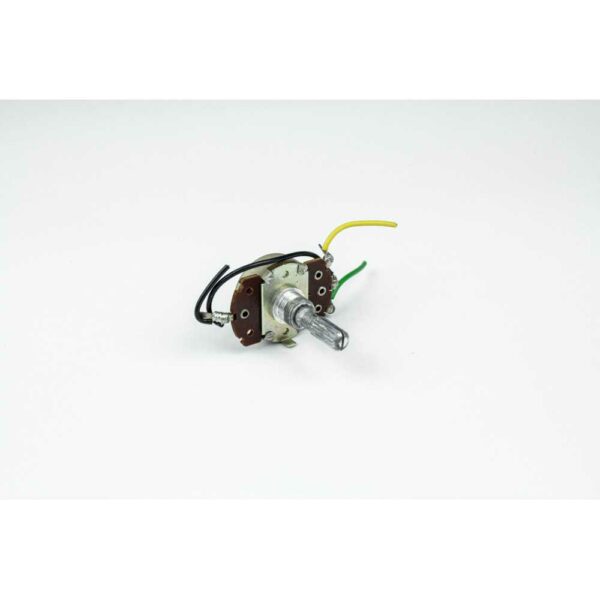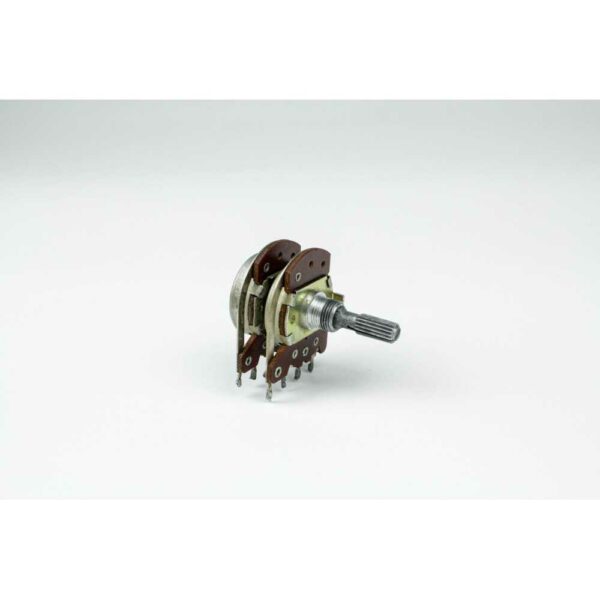
Potentiometers
Pontiometers for vintage audio receivers: Which ones to choose and why are they so important?
Vintage audio receivers are a real gem for lovers of classic sound. Regardless of whether you are a collector of audio equipment or a music enthusiast, the right vintage receiver can make every note sound exceptional. One of the key elements of these devices are potentiometers, which play a huge role in sound quality and comfort of use. In this article, you will learn why potentiometers for vintage audio receivers are so important, what features are worth considering when choosing them, and how to ensure their longevity.
What are potentiometers in vintage audio receivers?
A potentiometer is an electronic component used to adjust parameters such as volume, balance, bass, or treble. In vintage audio receivers, potentiometers are responsible for precisely adjusting these settings, which allows for the ideal sound depending on the listener’s preferences and the acoustic conditions of the room.
Why are potentiometers so important in vintage receivers?
Vintage audio receivers are devices that often have their own unique design and aesthetics. The potentiometers in these models not only perform a technical function, but also have an impact on the overall character of the sound. Depending on the quality and type of potentiometer used, its impact on the sound can be significant.
- Precision adjustment – Potentiometers provide the user with full control over sound parameters. Thanks to precise volume and tonality adjustments, you can adjust the sound of the receiver to your individual needs.
- Sound quality – Over the years, many of the potentiometers in vintage receivers can lose quality, making the sound less precise or more distorted. High-quality potentiometers provide a clean sound without unwanted interference.
- Durability – Potentiometers in vintage receivers are usually more durable than those used in modern devices. Regardless of whether they are rotary or slide potentiometers, their durability depends on the quality of the materials used to manufacture them. Proper care for these elements can significantly extend the life of your receiver.
What features should you consider when choosing a potentiometer for a vintage receiver?
Choosing a potentiometer for a vintage audio receiver requires taking into account several important factors:
- Potentiometer type – In vintage receivers, we most often find two types of potentiometers: rotary and slide (linear). Rotary potentiometers are commonly used in older models, while sliders are more popular in modern equipment. The choice depends on your preferences and the aesthetics of the equipment.
- Adjustment range – Potentiometers differ in their adjustment range. In vintage receivers, it is important that the adjustment range meets the user’s requirements – the wider the range, the greater the control over the settings.
- Material – The quality of the materials has a key impact on the durability and precision of the potentiometer. In vintage receivers, it is worth choosing potentiometers made of high-quality materials, such as brass, stainless steel or wood.
- Smooth operation – A good quality potentiometer should operate smoothly, without any resistance or noise. Potentiometers that don’t work smoothly can cause sound distortion, which affects the quality of your listening experience.
- Service and replacement – Potentiometers often wear out in older receivers. It’s worth making sure that spare parts or repairs are available so that the equipment can serve you for many years.
How to care for potentiometers in vintage receivers?
To ensure that the potentiometers in your vintage receiver work properly for many years, they need to be looked after regularly. Here are some tips to help you keep them in good condition:
- Cleaning – Regular cleaning of potentiometers prevents the accumulation of dust and dirt that can affect their operation. It is worth using special cleaning agents for audio equipment that are safe for sensitive components.
- Lubrication – Some potentiometer models require lubrication to ensure smooth operation. However, remember to use appropriate lubricants that will not damage delicate electronic components.
- Avoid overheating – Potentiometers, like other components of the receiver, can be damaged by overheating. Make sure the receiver has adequate ventilation to prevent components from overheating.
Summary
Potentiometers for vintage audio receivers play a key role in controlling